
If there's one thing readers are good at, it's spotting a red flag from 300 pages away.
We're not saying we'd diagnose our favorite fictional characters. We're not therapists. We're just avid readers who have spent enough time with beloved protagonists to occasionally think:
"Honey, have you considered talking to someone about that?"
To be clear, this list is made with affection. Some of our favorite books exist because characters make questionable decisions, avoid difficult conversations, cling to the past, ignore obvious warning signs, or process absolutely none of their emotions.
If everyone communicated well and had healthy coping skills, some novels would be over by chapter three.
So in honor of Mental Health Awareness Month—and our ongoing belief that caring for ourselves is one of the most important things we can do—here are a few fictional characters we'd gently encourage to add "find therapist" to their to-do list.
Jay Gatsby (The Great Gatsby)
Gatsby built an entire life around an idealized version of the past.
Respectfully, that feels like something worth unpacking.
We'd love to see him explore the difference between who someone really is and who we've imagined them to be for years.
Emma Woodhouse (Emma)
Emma has a good heart.
Emma also has a habit of inserting herself into everyone else's business.
Perhaps a therapist could help her discover the joy of letting other people make their own decisions while she focuses on herself for a change.
Scarlett O'Hara (Gone with the Wind)
Scarlett's preferred coping mechanism appears to be avoiding her feelings until they become everyone else's problem.
A therapist might gently encourage her to process things today instead of promising herself she'll think about them tomorrow.
Daisy Jones (Daisy Jones & The Six)
Daisy spends a lot of time searching for fulfillment in places that can't quite give it to her.
We'd love to see her explore self-worth that isn't tied to other people's approval, attention, or expectations.
Eleanor Oliphant (Eleanor Oliphant Is Completely Fine)
Honestly, Eleanor's journey is one of the best arguments for connection, healing, and support that we've ever read.
We're not saying she needs therapy because she's broken—we're saying she deserves support because she's been carrying far too much alone.
Anne Shirley (Anne of Green Gables)
Anne is delightful.
Anne is imaginative.
Anne also occasionally spirals from "minor inconvenience" to "life-altering catastrophe" in record time.
A few sessions on managing overthinking might serve her well.
Carrie Soto (Carrie Soto Is Back)
Carrie has spent so much of her life proving herself that it's hard for her to imagine who she is without achievement.
A therapist might ask the terrifying question:
"Who are you when you're not winning?"
Sherlock Holmes (The Adventures of Sherlock Holmes)
Sherlock can solve nearly any mystery except the one involving his own emotions.
Perhaps it's time to investigate that case.
Mr. Darcy (Pride and Prejudice)
Communication.
That's it. That's the entry.
Elizabeth Bennet (Pride and Prejudice)
While we're here, Elizabeth could probably benefit from a few sessions on assumptions and first impressions.
Together, these two could save themselves a lot of stress.
And pages.
 Jo March (Little Women)
Jo spends so much of her life creating, caring, striving, dreaming, and carrying the weight of expectations.
We'd love to hand her a blanket, a cup of tea, and a therapist who specializes in burnout.
Katniss Everdeen (The Hunger Games)
This one feels less funny and more obvious.
Katniss survives an extraordinary amount of trauma and loss. We suspect she'd benefit from support, healing, and approximately six uninterrupted months of peace and quiet.
Nora Stephens (Book Lovers)
Nora is the queen of taking care of everyone else.
Many of us can relate.
A gentle reminder that being the strong one doesn't mean you have to carry everything alone.
Heathcliff (Wuthering Heights)
Where do we begin?
Actually, let's let the therapist begin.
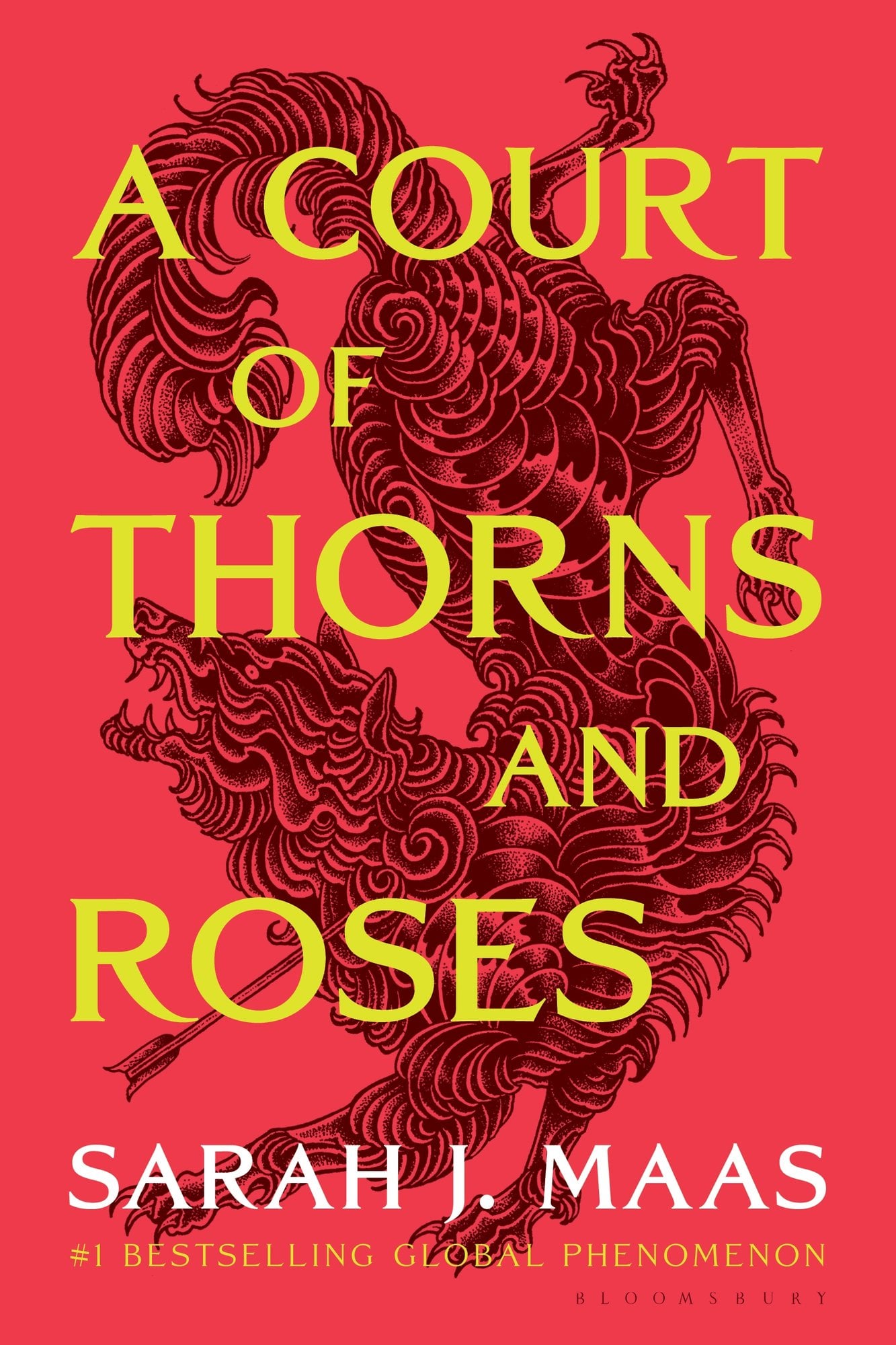
Feyre Archeron (A Court of Thorns and Roses)
Feyre has saved enough people.
We'd like to see her spend a little more time saving herself.
Also: rest is productive.
 Amy Dunne (Gone Girl)
Couples counseling.
Immediately.
Preferably before chapter one.
The Real Plot Twist
The truth is, part of what makes fictional characters memorable is that they're messy.
They're imperfect.
They make mistakes.
They avoid things.
They overthink.
They carry baggage.
In other words, they're human.
That's probably why we see ourselves in them.
The good news? Unlike our favorite characters, we don't have to wait until the final chapter to start taking care of ourselves.
Whether that looks like therapy, journaling, reading, crafting, taking a walk, calling a friend, setting a boundary, or simply giving yourself permission to rest, small acts of care matter.
At Craft'n Pages, we're big believers in intentional pauses. Not because a cozy craft or a good book solves everything, but because making space for yourself is often where healing begins.
And if you're wondering whether your favorite fictional character should be on this list?
The answer is probably yes.
Tell us: who did we miss?


